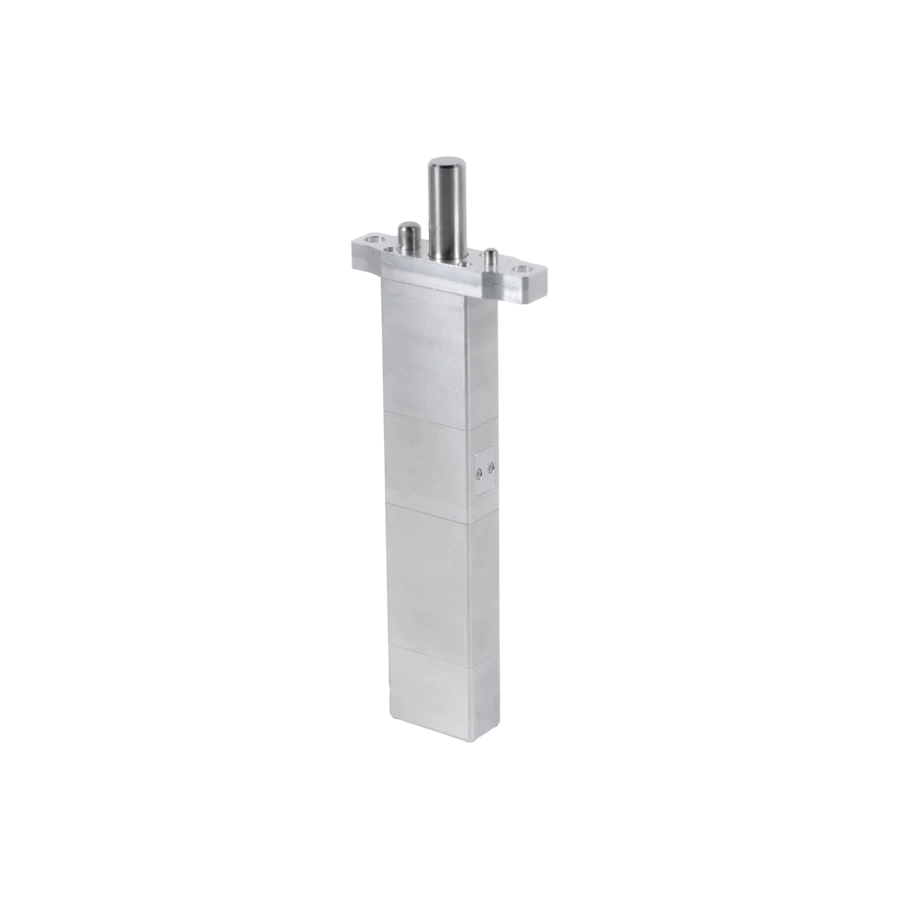
FT Micro Servo Electric Cylinder
Linear actuator family
2-12 mm stroke
20-600 N force
20-600 N force
12 V
RS485
RS485
Coating die-head control, dexterous hands, compact fixtures, lab automation.
Robot Joint Modules & Micro Actuators
CAD-ready motion products for humanoid robots, cobots, dexterous hands, and precision automation.
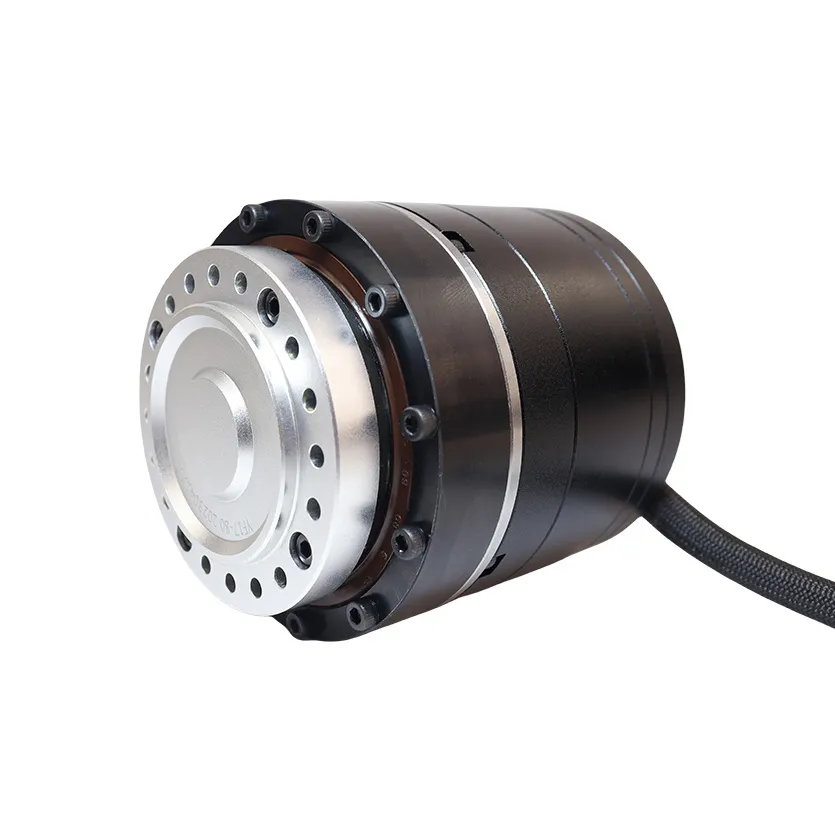
2-12 mm stroke, 20-600 N force, RS485 control.
View electric cylinder specs →
Low-backlash rotary joints for precision robot axes.
View harmonic specs →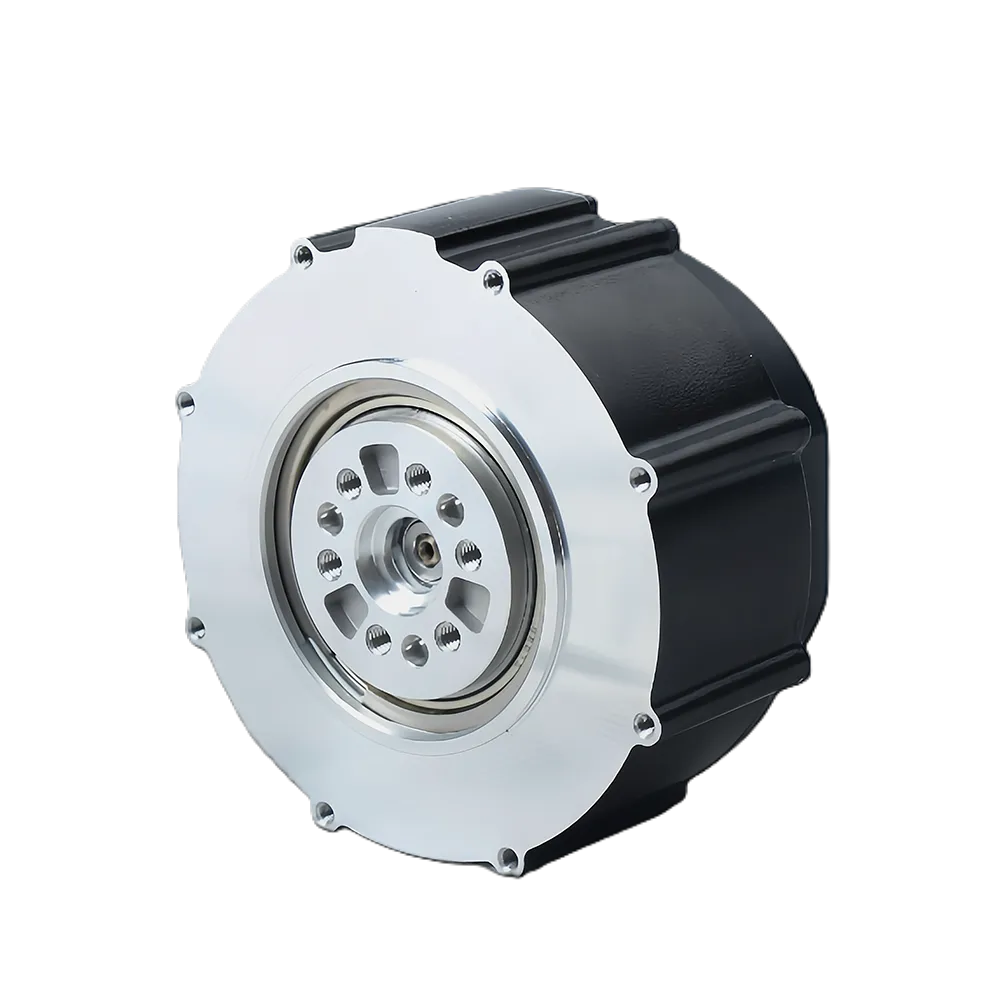
Compact impact-tolerant joints for mobile robots.
View planetary specs →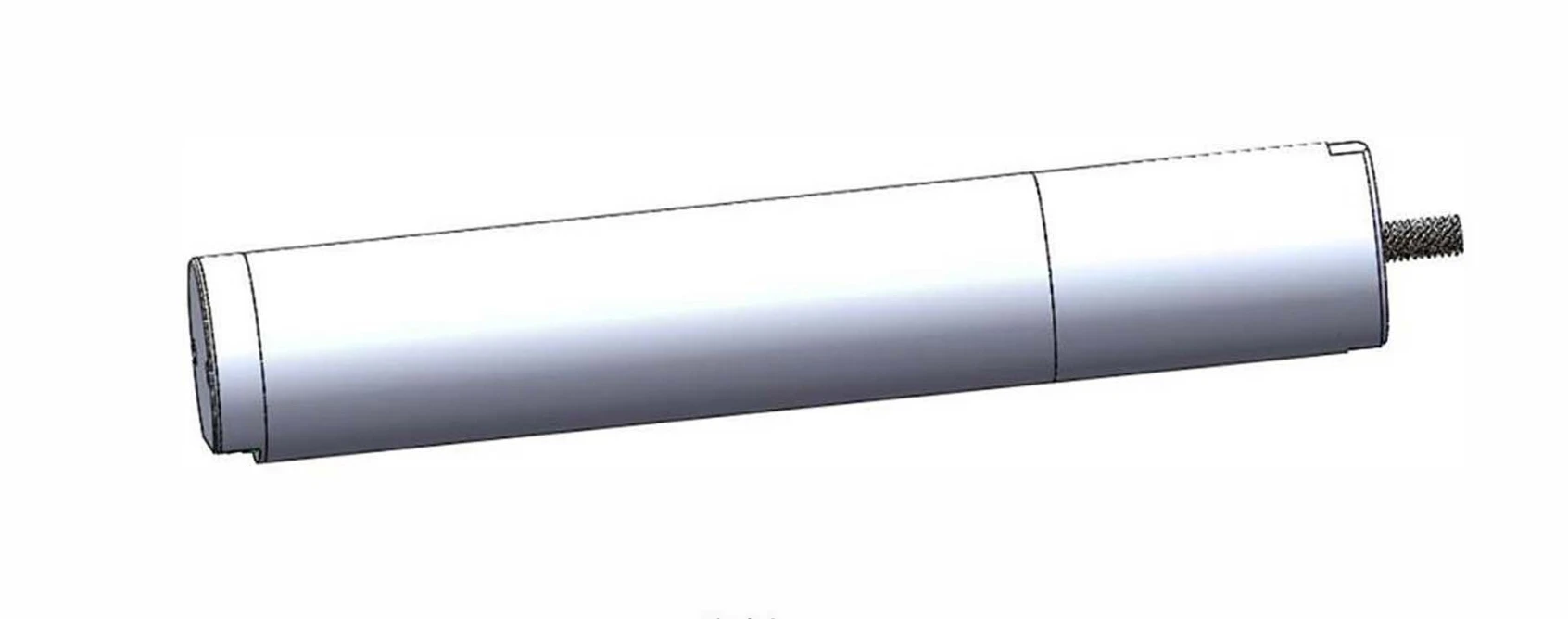
High-thrust 100-300N electric cylinders, 25-30 mm stroke.
View electric cylinder specs →Start from the engineering constraint. Each family links to specs, CAD files, and an RFQ path for sample or OEM evaluation.
Select kinematics to highlight matching family & load directly into CAD/sample request.
Advanced Sizing Tool →Zero-backlash, hollow-bore for internal wiring, 5-91 Nm rated. Ideal for precision robot arms and cobots.
Linear actuator family
Coating die-head control, dexterous hands, compact fixtures, lab automation.
High-force linear actuator
Multi-axis fixtures, medical pipetting, robotic fingers & grippers, optical alignment.
Precision rotary joint
Cobots, medical support arms, humanoid upper-body axes, inspection arms.
Impact-tolerant rotary joint
Quadrupeds, exoskeletons, AGV/AMR drives, compact humanoid lower limbs.
ISO 9001 factory | CAD-ready actuator selection
Integrated strain-wave reducers for cobots, medical arms, and humanoid upper limbs. Zero/sub-20 arcsec backlash precision.
High torque-density quasi-direct drives for quadrupeds, exoskeletons, and humanoid lower limbs. Shock-tolerant design.
High-precision linear pushers for coating die-heads, micro pipetting, semiconductor test fixtures, and dexterous hands.
Download verified STEP models, 2D DWG drawings, and wiring pinout sheets.
From agile humanoid robots to heavy-duty industrial arms.

Compact, high-torque joints for dynamic walking.
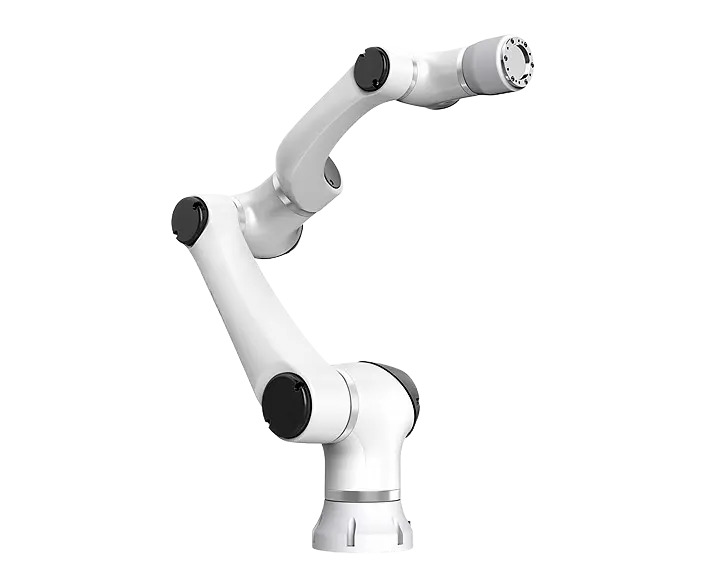
Precision positioning with harmonic reducers.
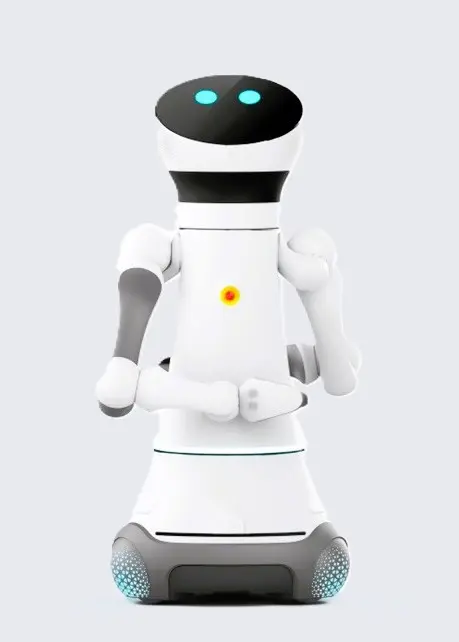
Quiet, smooth operation for sensitive environments.
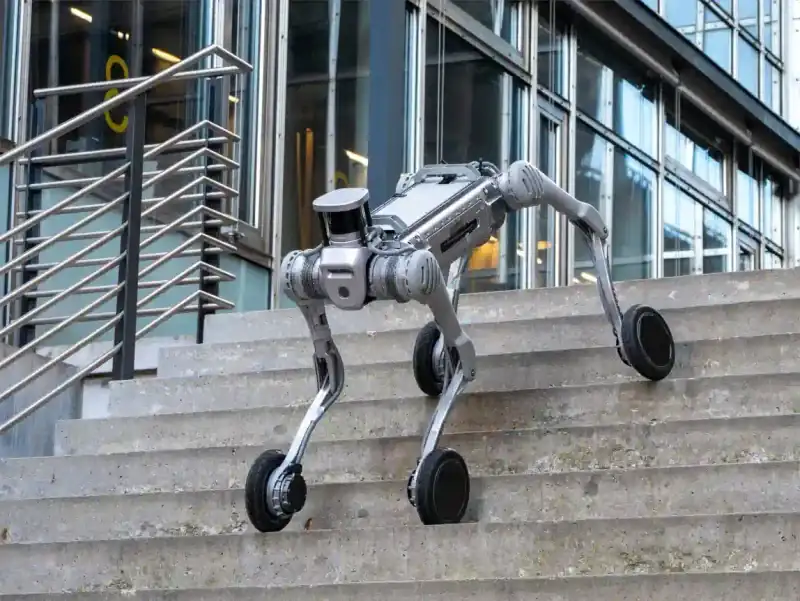
High-impact absorption for terrain adaptability.
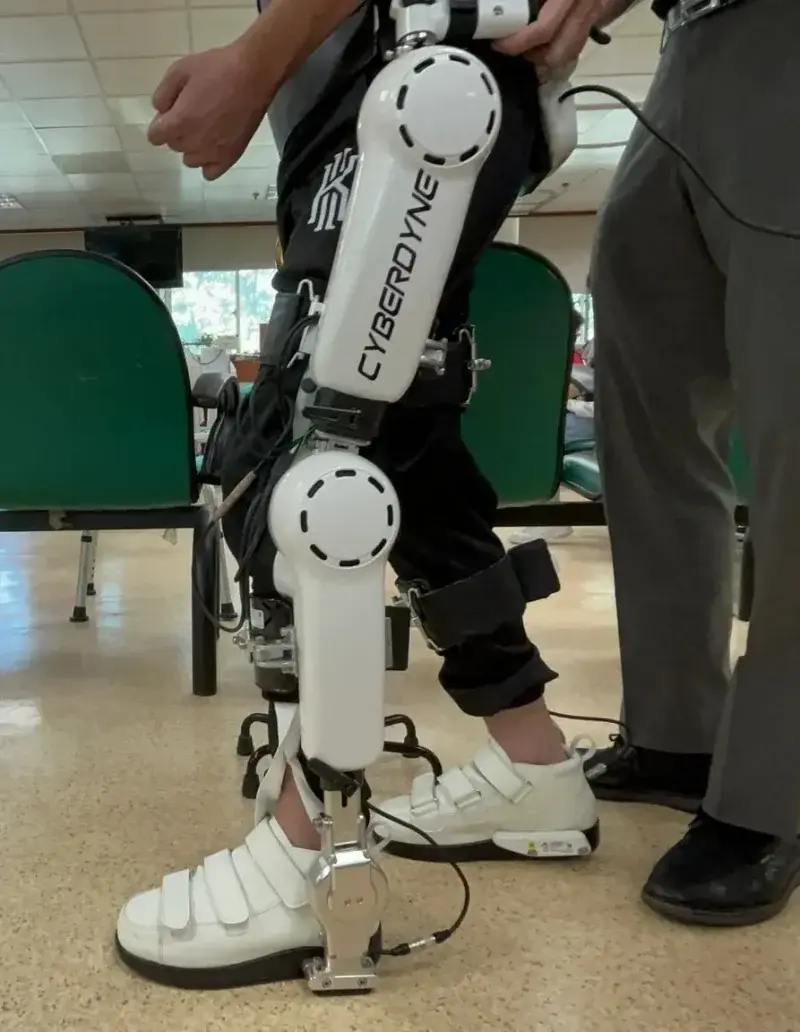
Lightweight assistance for human augmentation.
Focused guides for high-intent actuator searches: compact linear actuator, servo electric cylinder, precision positioning, coating die-head control, and humanoid robot joint selection.
Shortlist FT models for coating die-head adjustment, T-block positioning, compact precision fixtures, semiconductor tooling, and laboratory automation.
Joint guideMap hip, knee, ankle, shoulder, elbow, and wrist requirements to ZHR-P and ZHR-H by torque density, backlash, and impact tolerance.
SelectorUse the selector when the project boundary is still open between harmonic joints, planetary joints, and compact servo electric cylinders.
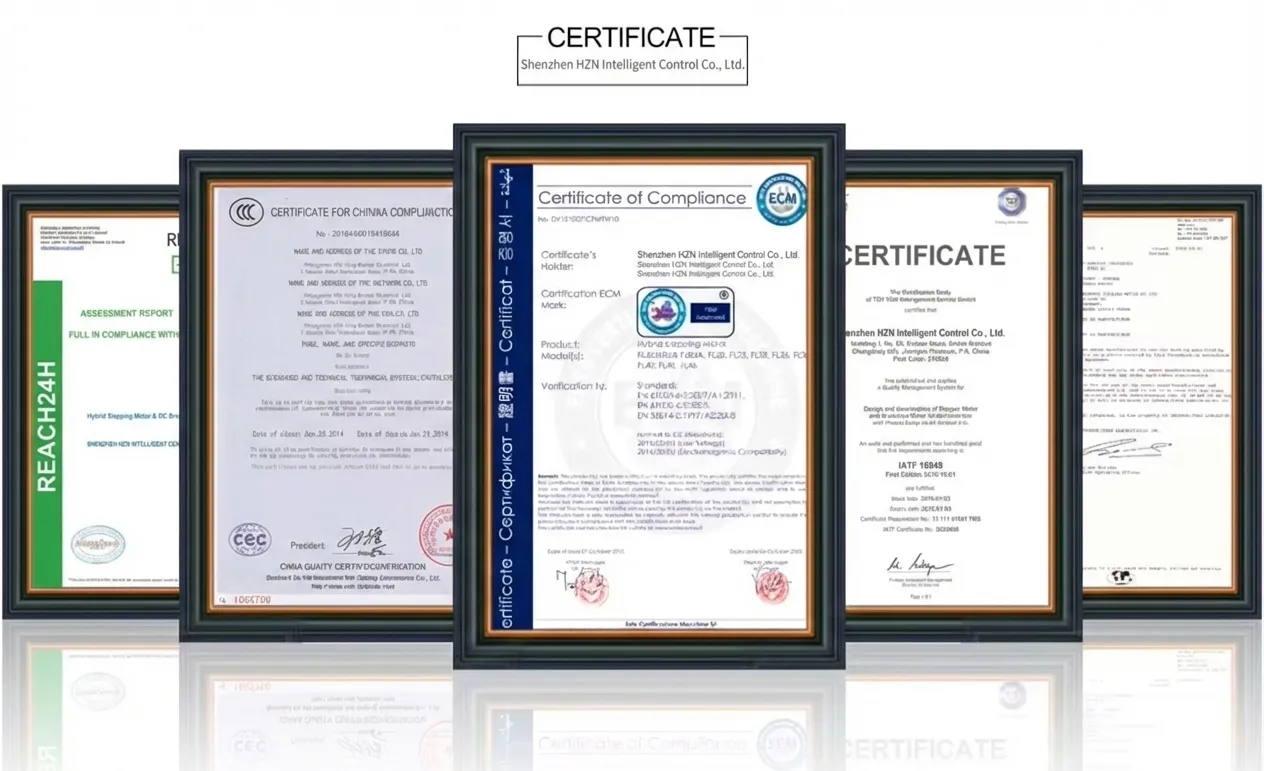
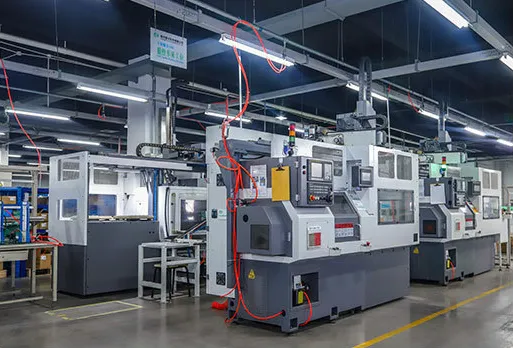
Request the current quality-system certificate and applicable product conformity documents. Confirm the covered entity, model, scope, and validity for your order.
Compare the quoted module, controller, accessories, and integration requirements against your project budget.
Standard in-stock prototypes dispatch in 3–5 business days (MOQ 1 unit); custom configurations dispatch in 2–3 weeks. Mass production schedules are aligned upon order confirmation.
Honest boundaries
Trust increases when the page says where confirmation is required. For robotics engineering buyers, this prevents mismatched samples, wrong protocol assumptions, and unnecessary procurement delays.
Do not assume a bus protocol from a product family name. Confirm the exact model and driver configuration (CANopen, CAN FD, or EtherCAT) before RFQ, sample purchase, or controller integration.
ZHR-P60 is CAN only and does not support native EtherCAT. EtherCAT requirements must be paired with external gateways or alternative models such as ZHR-H series.
Zero-backlash precision trajectory axes (<20 arcsec) require ZHR-H strain wave modules. Dynamic legged robotics requiring shock tolerance, high efficiency, and backdrivability use ZHR-P quasi-direct-drive units.
FT/DE models cover micro-stroke (2–12 mm) with ±0.002 mm repeatability. ZHR-BC models cover longer stroke (25–30 mm) with up to 300 N stall force to replace miniature pneumatic cylinders.
Sample MOQ is 1 unit. Standard in-stock prototypes dispatch in 3–5 business days via DHL/FedEx Express; customized modifications or pilot batches dispatch in 2–3 weeks following engineering specification review.
Engineering RFQ support
ZHR routes inquiries by product family, load case, quantity, and integration risk so engineering can respond with the right CAD, catalog, and quote path.
Guaranteed engineering response within 24 business hours.
Instant download of 3D CAD (.STEP), 2D drawings, and integration datasheets directly to your work email.
Thank you for your inquiry. Your message has been submitted.
Our team will contact you shortly. Need immediate assistance?
Everything you need to know about our Industrial Robot Joint Modules.
Compare rated and peak torque, output speed, allowable loads, backlash, mass, and mounting space for the exact models. Start with ZHR-H for precision-oriented axes and ZHR-P for compact dynamic joints, then check the duty cycle and impact loads before selecting a configuration.
Use the selected model's backlash, repeatability, and accuracy specifications rather than a blanket zero-backlash claim. Output feedback can help correct position error, but it does not remove mechanical clearance or compliance. Request the measurement method and load conditions for a precision-critical axis.
Continuous torque depends on ambient temperature, mounting heat transfer, cooling, speed, and duty cycle. Peak torque is not a continuous operating rating. Share your torque-speed cycle and installation conditions, and request the selected model's available thermal data before validating sustained operation.
Encoder type, output feedback, and dual-loop control support depend on the model and controller configuration. Confirm encoder resolution, single-turn or multi-turn behavior, homing requirements, and available control modes in the selected model's documentation before integration.
Communication interfaces depend on model and configuration. ZHR-P60 is listed as CAN only without native EtherCAT; confirm other ZHR-P models individually. ZHR-H lists CAN/RS485 configurations. Confirm the exact interface, firmware, connector pinout, control modes, and protocol document for the selected unit; a CAN interface does not establish CANopen or CAN FD support.
Software availability must be confirmed for the selected model, firmware, and host platform. Include your ROS2 distribution, operating system, bus adapter, and preferred language in the inquiry. Request the available protocol files and software package with version details before planning integration; a universal ROS2 driver, Docker image, or SDK is not confirmed here.
Compare the actual CAD envelope, mounting pattern, shaft or hollow-bore dimensions, connector clearance, mass, and cable routing. Gear type alone does not determine which module fits. Use the selected ZHR-H or ZHR-P model drawing to check the complete installed envelope.
Service life depends on the load spectrum, speed, duty cycle, temperature, shock loads, and maintenance conditions. No universal operating-hour or cycle-life rating is stated here. Include the expected operating profile in your inquiry and request model-specific life-test evidence and maintenance guidance before qualification.
Submit the required voltage, speed, torque, gear ratio, encoder, interface, and quantity for a feasibility review. Available changes depend on the product platform and engineering assessment. Confirm the agreed configuration, validation scope, minimum quantity, and lead time in the quotation.
Lead time depends on the exact model, configuration, quantity, stock, and production schedule. Include prototype and production quantities plus your required delivery date in the inquiry. Use the written quotation or order confirmation for the committed schedule.
Tell us about your project requirements and we will get back to you within 24 hours.